Dog Eye Allergies vs Infection: How Chicago Pet Parents Can Tell the Difference

Scout Pet Urgent Care
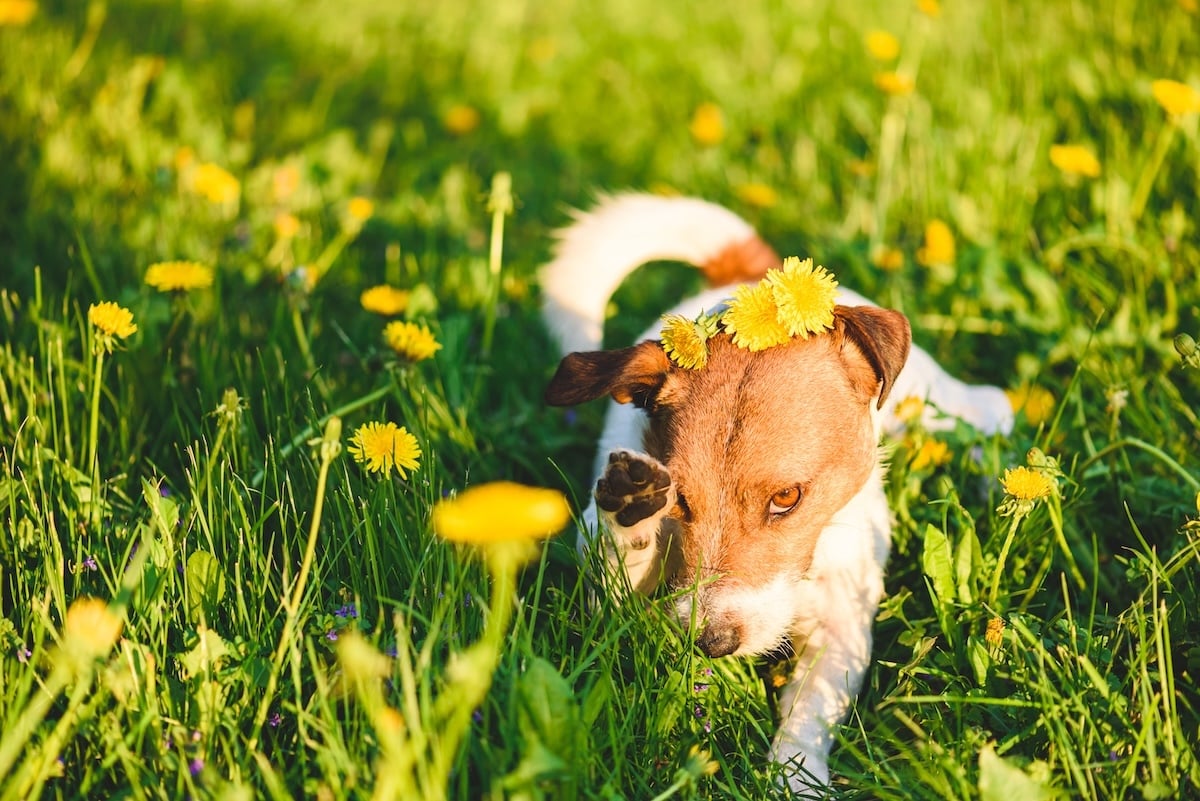
Your dog's been pawing at one eye all morning, and now it's swollen half shut. Is this allergies acting up again, or something that needs a same-day vet visit? Dog eye allergies vs infection is a tricky call to make from the couch, because the two can look nearly identical at first glance. A few details, though, set them apart.
Chicago's pollen calendar runs long, which means eye allergies show up here more months out of the year than owners expect. Infections, on the other hand, can happen any time and usually need a different kind of treatment entirely. Here's how to tell which one you're dealing with.
What Do Dog Eye Allergies Look Like?
Eye allergies in dogs, also called allergic conjunctivitis, show up when the immune system overreacts to something harmless in the environment. The eyes are trying to flush out an irritant, not fight off germs.
- Clear, watery discharge: Thin and watery, not thick or colored.
- Frequent blinking or squinting: Especially outdoors or right after a walk.
- Swollen eyelids: Puffiness around both eyes rather than just one.
- Sneezing: Often paired with itchy skin or a runny nose.
- Sensitivity to light: Mild squinting in bright sun.
What Triggers Allergic Reactions in a Dog's Eyes?
Seasonal allergies driven by pollen are the most familiar trigger. Chicago's tree pollen season runs roughly March through May, grass pollen picks up in early summer, and ragweed carries allergy season into the fall. For a lot of local dogs, that's most of the year with something in the air.
Environmental allergens matter too. Dust mites and mold spores build up indoors, especially in older Chicago apartments and greystones with less ventilation. Smoke, whether from a nearby fireplace or wildfire haze drifting in from farther north, can trigger the same reaction.
Less common triggers include fleas and allergic reactions to food, both worth ruling out if symptoms don't follow a seasonal pattern.
What Does a Dog Eye Infection Look Like?
Dog eye infections, whether bacterial infections, viral infections, or a fungal issue, tend to look angrier than a simple allergy flare.
- Thick discharge: Yellow or green, more like pus than tears.
- Pink eye: Visible redness of the conjunctiva, the pink tissue surrounding the eye.
- One eye affected: Infections often start in a single eye before potentially spreading.
- Holding the eye shut: A sign of pain or significant irritation, not just itchiness.
Bacteria and viruses are the most common causes, though fungus can occasionally be behind a stubborn case that isn't responding to typical treatment.
Dog Eye Allergies vs Infection: What's the Real Difference?
A few quick comparisons make the call easier. Allergies tend to affect both eyes at once, produce clear, watery discharge, and follow a seasonal pattern tied to pollen or other environmental allergens. Infections are more likely to start in one eye, produce thick colored discharge, and show up regardless of the season.
Timing helps too. If your dog's symptoms flare every spring around the same time, allergies are the likely explanation. If symptoms appeared suddenly after a scratch, a walk through tall grass, or contact with another animal, an infection is more likely.
Could It Be Something More Serious Than Allergies or Infection?
Some eye conditions need same-day attention no matter what caused them, because the cornea, the clear surface of the eye, doesn't tolerate delay well.
- Corneal ulcers: Painful scratches or erosions on the surface of the eye that can worsen fast without treatment.
- Uveitis: Inflammation inside the eye that can be linked to underlying illness.
- Glaucoma: A buildup of pressure inside the eye that can cause permanent vision loss within hours if untreated.
- Dry eye: Reduced tear production that leaves the eye chronically irritated and prone to secondary infections.
- Cherry eye: A visible pink mass in the corner of the eye caused by a prolapsed gland.
- Entropion: An eyelid that rolls inward, causing lashes to rub against the cornea with every blink.
Squinting, sensitivity to light, or a cloudy-looking eye are the signs that push a case out of "watch and wait" territory and into "call today."
How Do Vets Diagnose Dog Eye Problems?
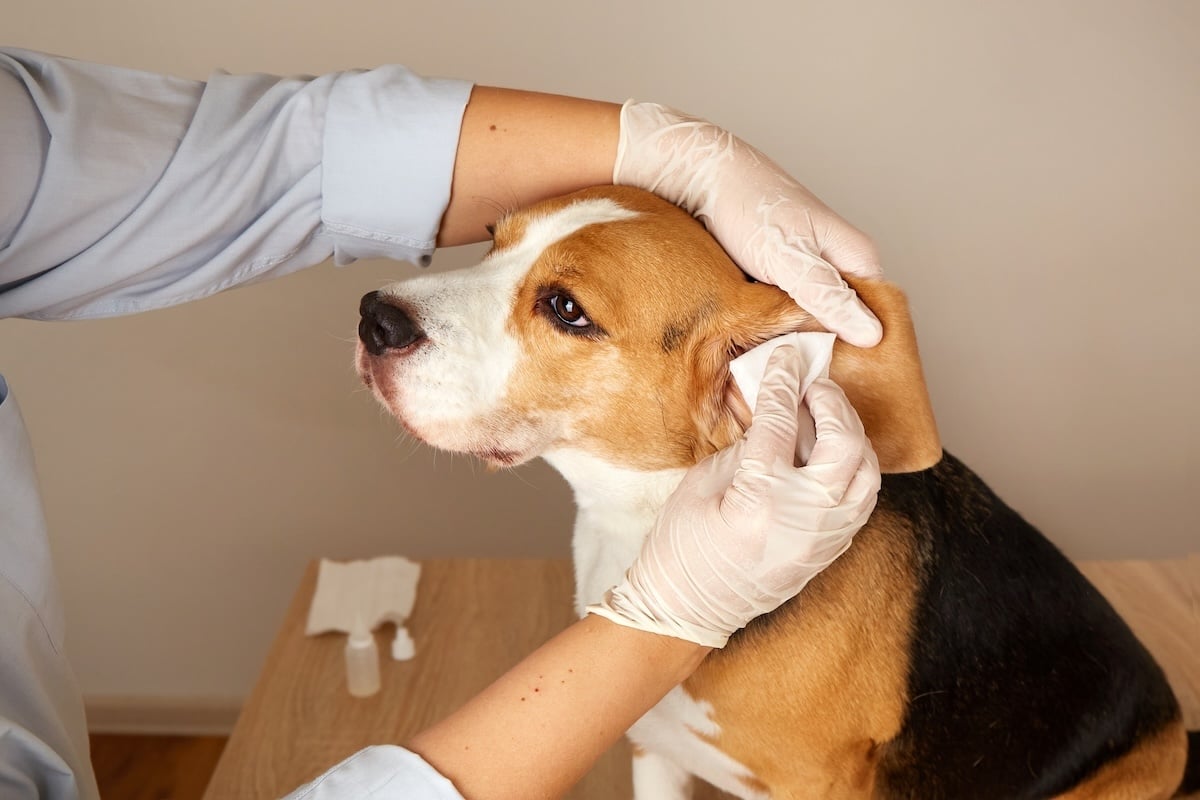
A Scout Pet Urgent Care veterinarian typically starts with a fluorescein stain, a dye that shows up any scratches or ulcers on the cornea under a blue light. A schirmer tear test measures tear production directly, which helps confirm or rule out dry eye.
Cytology, examining a small sample under a microscope, identifies whether bacteria or fungus are involved. For dogs with recurring symptoms, allergy testing can help pin down the specific trigger.
How Are Dog Eye Allergies and Infections Treated?
Mild seasonal allergies often respond well to antihistamines and keeping the eyes rinsed after time outdoors. Bacterial infections usually need prescription ointments or drops, while steroids may help with inflammation in certain cases, though they're used carefully since they can worsen some corneal issues.
Your Scout veterinarian will recommend next steps, and you can decide what will work best for your pet together.
If food allergies are suspected as an underlying cause, your vet may suggest a diet trial alongside eye treatment. It takes a few weeks to see results, but it's often the piece that protects long-term eye health and stops the symptoms from becoming a repeat problem every season.
When Should I See a Chicago Vet for My Dog's Eye?
Mild squinting after a dusty walk in Humboldt Park can usually wait a day to see if it settles down on its own. A swollen eye, thick discharge, obvious pain, or any change in how the eye looks, cloudy, red, or bulging, warrants a same-day visit.
Scout Pet Urgent Care sees walk-ins at locations across Chicago, including Lincoln Park, West Loop, Old Orchard in Skokie, and Wheaton, specifically for situations like this.
Get Your Dog’s Symptoms Checked Out at Scout Pet Urgent Care Today
If your dog's eye hasn't settled down in a day or two, or something about it looks off, don't spend another afternoon guessing. Book a same-day visit or stop by your nearest Scout Pet Urgent Care location, and get a straight answer on what's actually going on before it affects your dog's vision.
Frequently Asked Questions
Can I use human eye drops on my dog?
Skip it unless your vet specifically recommends a particular product. Some human eye medications contain ingredients that are unsafe for dogs, and using the wrong one can make a corneal issue worse.
How can I tell if it's allergies or pink eye?
Allergies usually affect both eyes with clear discharge and follow a seasonal pattern. Pink eye and other infections tend to start in one eye with thicker, colored discharge and don't follow a calendar.
Are dog eye infections contagious?
Some are, particularly viral infections that can pass between dogs at a dog park or doggy daycare. Bacterial infections are less likely to spread but it's still smart to keep an affected dog's bedding and towels separate for a few days.
What breeds are prone to eye allergies?
Any breed can develop eye allergies, but dogs with shorter noses and more prominent eyes tend to show symptoms more visibly since less of the eye is protected by the skull.
Can eye allergies affect just one eye?
It's less common but possible, especially if one eye had more direct contact with an allergen, like pollen blown in from an open car window on one side.