What Causes Diarrhea in Dogs? What Chicago Dog Parents Need to Know

Scout Pet Urgent Care
Your dog had loose stools this morning. Or they've gone three times on one walk. Maybe it's been going on for a day and you're starting to wonder what's normal. Dog diarrhea is one of the most common reasons pet owners end up at an urgent care clinic, and for good reason. The causes range from a stolen slice of pizza to something that genuinely needs treatment.
What's Causing My Dog's Diarrhea?
Diarrhea in dogs has a long list of possible causes. Some are minor and resolve on their own. Others need a vet's help to identify and treat.
Dietary Indiscretion
This is the fancy term for your dog eating something they shouldn't. Table scraps, spoiled food, garbage, or something they found on a Chicago sidewalk can all trigger acute diarrhea quickly. Chicago sidewalks have a lot to offer, apparently. It's one of the most common causes of sudden loose stools in otherwise healthy dogs.
Change in Diet
Switching your dog's food too quickly is a very common cause of digestive upset. A sudden change in diet doesn't give the gut enough time to adjust. Transitioning slowly over 7 to 10 days, mixing increasing amounts of the new food with the old, usually prevents this.
Food Sensitivities and Intolerances
Some dogs have food sensitivities or food intolerances that cause recurring digestive issues, including diarrhea, vomiting, and weight loss. Identifying the trigger usually requires a dietary trial guided by your vet.
Intestinal Parasites
Intestinal parasites are a frequent cause of diarrhea in dogs, especially puppies and dogs with outdoor exposure. Common culprits include giardia, roundworms, hookworms, whipworms, and coccidia. Giardia in particular is very good at being where dogs are.
Chicago dog parks are a lot of fun. They are also an excellent place to pick up intestinal parasites. A fecal test can identify what's present, and deworming medication clears most infections.
Bacterial and Viral Infections
Bacterial or viral infections, including salmonella and E. coli, can cause significant diarrhea. Contaminated water or raw food are common sources.
Parvovirus is a serious viral infection that causes severe, often bloody diarrhea, vomiting, lethargy, and loss of appetite. Parvovirus is not a wait-and-see situation. If your unvaccinated puppy is showing these signs, go now.
Distemper is another viral disease that can affect the gastrointestinal system. Keeping vaccines current is the best protection against both.
Pancreatitis
Pancreatitis, inflammation of the pancreas, can cause diarrhea, vomiting, lethargy, and lack of appetite. Rich or fatty foods like table scraps are a known trigger. It varies in severity, and more serious cases need veterinary care.
Inflammatory Bowel Disease and Colitis
Inflammatory bowel disease (IBD) causes chronic, recurring diarrhea, often alongside weight loss and vomiting. Colitis, inflammation of the colon, tends to cause diarrhea with mucus or blood in the stool. Both are diagnosed through blood work, imaging, and sometimes a biopsy. Management usually involves dietary changes and ongoing medication.
Medications and Toxins
Antibiotics can disrupt gut bacteria and cause loose stools in some dogs. Human medications, including pain relievers like ibuprofen and acetaminophen, are toxic to dogs and can cause severe gastrointestinal symptoms.
Chocolate is another common household toxin that causes vomiting and diarrhea. If your dog got into something they shouldn't have, that matters for the diagnosis.
Foreign Objects and Blockages
Dogs that swallow toys, socks, or other foreign objects can develop a blockage. Diarrhea alongside vomiting, weakness, and a lack of appetite can indicate something is physically obstructing the digestive tract. This one requires prompt veterinary attention.
Stress or Anxiety
Your dog's digestive system and your dog's anxiety are, unfortunately, very connected. Stress or anxiety can trigger diarrhea, particularly in dogs prone to gut sensitivity. Travel, fireworks, changes in routine, or a new environment are all common triggers. In Chicago, the Fourth of July and New Year's are predictably rough for a lot of dogs.
Other Medical Conditions
Addison's disease, a condition involving insufficient adrenal hormone production, can cause recurring digestive issues including diarrhea and weakness. Cancer affecting the gastrointestinal tract can also present with chronic diarrhea and weight loss. These are less common but worth knowing, especially in older dogs with symptoms that don't resolve.
What Do I Watch For at Home?
If your dog has loose stools but is otherwise acting normally, eating, drinking, and not showing weakness or lethargy, you can monitor them for 12 to 24 hours. A short period of fasting followed by a bland diet gives the gut a chance to settle. Boiled chicken and white rice is unglamorous, but it works.
Signs of dehydration are your main concern while watching and waiting. Check for sunken eyes, dry gums, and skin that doesn't spring back when gently pinched. A dog that's losing fluid faster than they can replace it needs help.
When Should You Head to Scout Pet Urgent Care?
Come in to Scout Pet Urgent Care when the diarrhea isn't improving or when other symptoms are present alongside it:
- Diarrhea has been going on for more than 24 hours without improving
- You're seeing blood in the stool or bloody diarrhea
- Your dog is also vomiting, lethargic, or showing signs of dehydration
- Your dog has loss of appetite or isn't drinking water
- You have a puppy, a senior dog, or a dog with a known health condition
- Your dog may have swallowed something or gotten into a toxin like chocolate or human medications
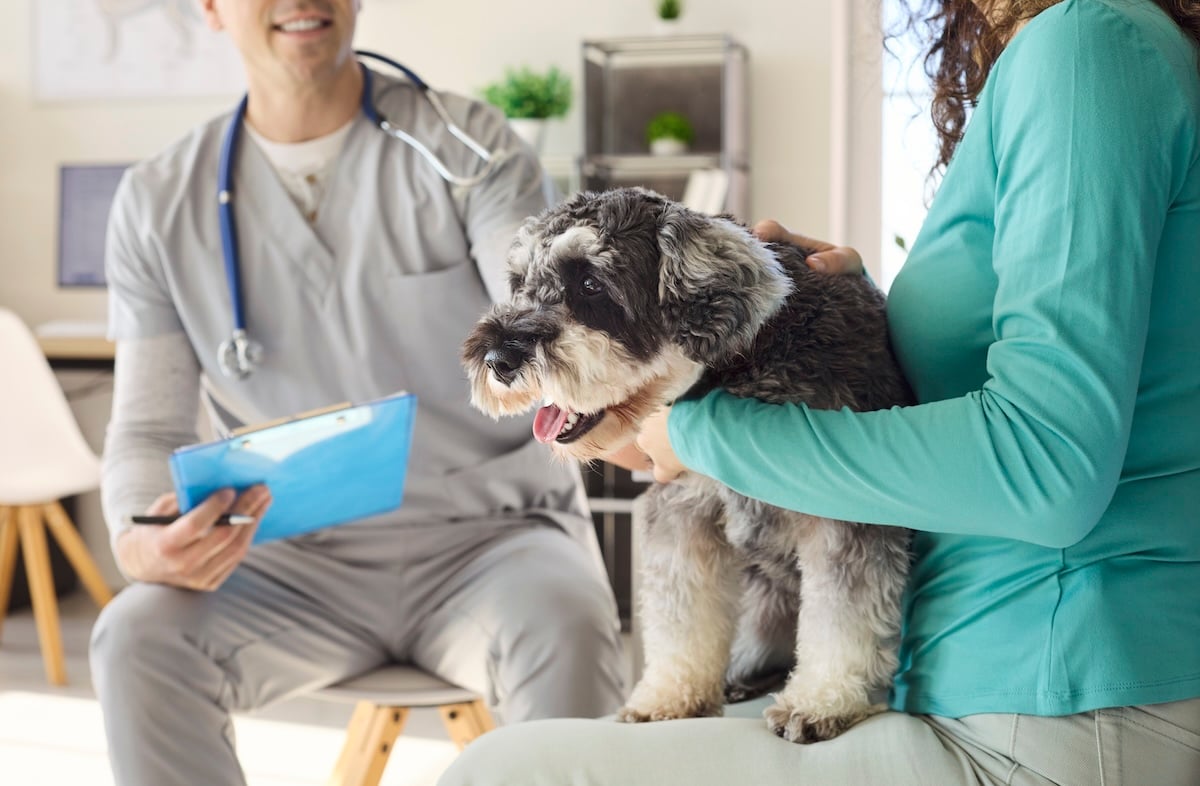
Depending on what's found, treatment may include probiotics to restore gut balance, antibiotics for bacterial infections, deworming for intestinal parasites, or supportive care for more significant illnesses. Your Scout veterinarian will examine your dog, run any diagnostics that make sense, and walk you through what they find. The next step is always a decision you make together.
When Is It an Emergency?
Go directly to an emergency animal hospital if your dog is showing any of these signs:
- Continuous, severe bloody diarrhea that isn't stopping
- Collapse or extreme weakness alongside the diarrhea
- Signs of severe dehydration or shock
- A young, unvaccinated puppy with vomiting and bloody diarrhea (possible parvovirus)
Parvovirus is not a wait-and-see situation. If your unvaccinated puppy is showing these signs, go now.
Frequently Asked Questions
Should I feed my dog when they have diarrhea?
A short period of fasting, typically 12 hours for adult dogs, followed by a bland diet of boiled chicken and white rice helps settle the digestive tract. Resist the urge to give them something more interesting. Bland is the point.
Can stress cause diarrhea in dogs?
Yes. Stress or anxiety is a recognized trigger, especially in dogs with sensitive stomachs. If diarrhea shows up around predictable stressors like travel, loud events, or routine changes, that pattern is worth mentioning to your vet.
How do I know if my dog is dehydrated?
Dry or tacky gums, sunken eyes, and skin that doesn't bounce back quickly when gently pinched are the main signs of dehydration. A dehydrated dog that's also vomiting needs veterinary attention.
Is it safe to give my dog probiotics for diarrhea?
Dog-specific probiotics can help restore healthy gut bacteria after a bout of diarrhea. Check with your vet on which formulation makes sense, especially if your dog is on antibiotics or has an underlying condition.
Do dogs need vaccines to prevent diarrhea?
Vaccines don't prevent all causes of dog diarrhea, but they do protect against parvovirus and distemper, two serious illnesses that cause severe gastrointestinal symptoms. Keeping vaccines current is one of the most effective things you can do for your dog's overall health.
Ready to Get Your Dog Checked Out?
Most cases of dog diarrhea resolve quickly. When they don't, or when something else shows up alongside it, that's worth checking out sooner rather than later. Scout Pet Urgent Care offers same-day and walk-in appointments at our Chicago locations. Book online or stop by. We're open 10 AM to 8 PM every day.