Signs of Dehydration in Dogs: When Chicago Pet Parents Need Urgent Care

Scout Pet Urgent Care
Your dog just finished a long walk along the lakefront on a 90 degree Chicago afternoon, and now he won't leave his water bowl alone. Or maybe he's turned down water completely and seems too tired to care.
Either version can point to the same problem: dehydration. Knowing the signs of dehydration in dogs early can mean the difference between a quick fix at home and a trip to Scout Pet Urgent Care.
What Causes Dehydration in Dogs?
Dogs lose water through panting, urinating, and everyday metabolism, and drinking normally replaces it. Problems start when fluid loss outpaces intake. Hot weather is the most obvious trigger, since a humid Chicago summer day can burn through fluids fast during a long walk or extra time at the dog park.
Illness causes dehydration just as often. Vomiting and diarrhea both pull water and electrolytes out of the body quickly, usually as signs of gastrointestinal upset from something your dog ate, a parasite, or an infection. A fever pushes fluid loss further, and a dog who's lost their appetite often isn't drinking enough to keep up.
Underlying conditions like kidney disease and diabetes change how a dog's body handles water and salt balance, putting those dogs at a higher baseline risk even on a mild day.
What Are the Signs of Dehydration in Dogs?
The earliest signs of dehydration in dogs are easy to miss because they can look like your dog is just having a slow day. Watch for:
- Lethargy: A dehydrated dog often seems lethargic, uninterested in toys or slower to get up than usual.
- Dry nose: Not a perfect test alone, but worth noting alongside other signs.
- Sunken eyes: In moderate to severe cases, a dog's eyes can look noticeably sunken.
- Loss of appetite: Skipping meals, especially alongside other symptoms, deserves a closer look.
- Excessive panting: Panting that won't slow after rest can signal fluid loss.
- Less urinating: Fewer trips outside, or darker urine, both point to a body conserving water it doesn't have.
How to Check for Dehydration at Home
Two simple checks can tell you a lot before you pick up the phone. First, gently pinch the skin between your dog's shoulder blades and let go. In a well hydrated dog, it snaps back almost instantly. Slow return, or skin that stays tented, means loss of skin elasticity, a classic sign of dehydration.
Second, check the gums. Healthy gums are moist and pink. Sticky gums, or gums that feel dry or tacky, point to fluid loss. Press a finger against the gum, release, and count how long the color takes to return. That's capillary refill time, and anything longer than about two seconds means blood flow isn't moving through the body as efficiently as it should.
Which Dogs Are Most at Risk?
Some dogs dehydrate faster than others. Puppies have less fluid reserve for their size, senior dogs often have less efficient kidneys, and small breeds have a smaller total volume of fluids to draw on, so the same bout of vomiting or diarrhea hits them harder. Dogs already managing kidney disease or diabetes are at higher risk too, since both conditions interfere with how the body regulates water and salt.
Why Chicago's Hot Weather Makes This Worse
Chicago summers swing from mild to brutally humid within days. Overexertion on a hot afternoon, whether that's a run along the lakefront or time at the dog beach, raises the risk of dehydration and heatstroke together, and excessive panting is usually the first visible clue a dog is working too hard to cool down.
If your dog is panting heavily, seems disoriented, or won't cool down in the shade, that’s a sign you need to take your dog to the emergency room, not urgent care.
What Happens If Dehydration Isn't Treated?
Mild dehydration usually resolves with rest and water. Left unaddressed, it starts to affect internal organs that depend on steady blood flow and fluid volume, particularly the kidneys.
Electrolytes like potassium and chloride keep nerve function and muscle function running normally, and as fluid loss continues, those levels shift out of balance and the body's pH shifts with them. Severe, prolonged dehydration can push toward kidney failure, a genuine emergency rather than something to manage at home.
How Is Dog Dehydration Treated?
Treatment depends on how far things have progressed. A vet typically starts with a physical exam and, in serious cases, blood tests to check kidney and electrolyte levels. Mild cases might just need encouragement to drink and a quiet place to rest. More significant dog dehydration usually calls for fluid therapy, given orally or through IV fluids straight into a vein when a dog can't keep water down.
How Can You Prevent Dehydration in Chicago's Heat?
Prevention here is straightforward, even if it takes some remembering.
- Keep fresh water available: Change it more than once a day in summer heat, since warm water is less appealing to drink.
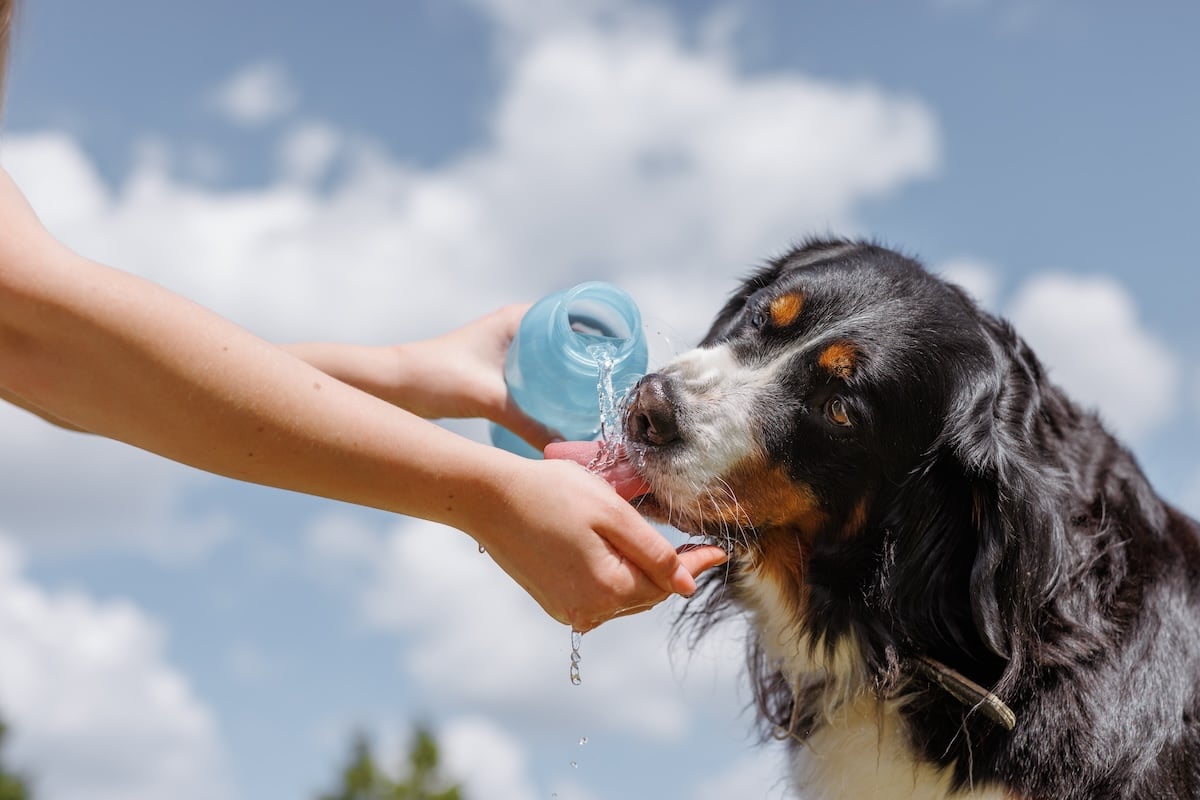
- Bring a portable water bottle on walks: Especially for anything longer than a quick trip around the block.
- Offer ice cubes as a treat: Some dogs lap at ice when they won't touch a water bowl.
- Avoid overexertion in peak heat: Save longer walks for early morning or evening, when it's cooler.
Schedule an Appointment With Scout Veterinary Urgent Care
If your dog's gums feel sticky, their eyes look sunken, or they won't perk up after time outside, don't wait it out. Scout Pet Urgent Care offers same-day appointments across Chicago for exactly these moments, book online or walk in.
Frequently Asked Questions
Can I give my dog Pedialyte for dehydration?
Unflavored Pedialyte in small amounts can help replace electrolytes after mild fluid loss, but it's not a substitute for care if your dog shows real signs of dehydration, especially puppies or dogs with kidney disease.
How quickly can a dog become dehydrated?
A dog vomiting or having diarrhea repeatedly can become dehydrated within hours, and heat related fluid loss on one hot afternoon can happen just as fast.
Is dehydration in dogs an emergency?
Mild cases often aren't, but sunken eyes, lethargy that doesn't improve with rest, or a dog who won't drink at all should be checked the same day.
What color should a dehydrated dog's gums be?
Healthy gums are pink and moist. Pale, dry, or tacky gums point to fluid levels being off.