
Why Is My Dog Trembling? When It’s Normal and When to Call a Vet in Chicago

Scout Pet Urgent Care
Your dog's standing in the middle of the living room, shivering like it's twenty below, even though the thermostat says seventy-two. “Why is my dog trembling?” is one of those questions with a dozen possible answers, and most of them aren't emergencies. A few of them are, which is exactly why it's worth knowing the difference.
Is My Dog Trembling from Cold or Excitement?
Small breeds and toy breeds have less body fat and muscle mass to hold onto heat, so a Chihuahua or Yorkie can shiver in cold temperatures on a walk that a Labrador barely notices.
Puppies and senior dogs run into the same problem, since their bodies regulate temperature less efficiently. Chicago winters make this an almost daily occurrence for smaller dogs, and a warm coat before heading outside solves most of it.
Trembling isn't always about being cold, though. Plenty of dogs shiver or shake from pure excitement. Typical excitement triggers include:
- The sight of a leash before a walk.
- A visitor walking through the front door.
- The anticipation of a favorite treat or meal.
This kind of trembling usually stops within a minute or two once the excitement passes.
Could Stress or Anxiety Be Causing the Shaking?
Fear and anxiety are some of the most common causes of trembling in dogs, and Chicago's Fourth of July and New Year's fireworks send plenty of dogs into hiding every year. Thunderstorms and other loud noises trigger the same response in a lot of dogs, especially ones already prone to separation anxiety when left alone.
Physical Indicators of Stress
When anxiety is the root cause of the shaking, you will usually notice other behavioral changes, such as:
- Hiding under furniture or in dark closets.
- Excessive panting and drooling.
- A state of disorientation where the dog seems to want to escape the room.
This type of trembling usually settles once the trigger, whether it's a storm or a stranger, is gone.
Is Trembling a Sign of Pain?
Pain is one of the harder causes to catch, because dogs are good at masking it until it's fairly advanced. Arthritis is common in senior dogs and often shows up as trembling in the back legs after standing up or climbing stairs. An injury, even a minor one, can cause muscle tremors in the affected area along with limping or a reluctance to move.
Watch for specific mobility issues that point toward a physical injury or joint problem:
- Difficulty walking or stiffness after a long period of rest.
- Noticeable muscle weakness in the hind legs.
- An improvement in movement once the dog warms up and gets going.
These signs point toward a physical cause rather than an emotional one, and old age tends to make arthritis symptoms more noticeable over time.
Could My Dog Have Eaten Something Toxic?
This is the category that moves fastest from "keep an eye on it" to "call now." Chocolate and xylitol, a sugar substitute found in gum and some peanut butter brands, are two of the most common toxic substances behind sudden tremors in dogs. Poisoning from these and other household products can cause trembling alongside vomiting, diarrhea, drooling, and nausea.
If you know or suspect your dog got into something they shouldn't have, don't wait for every symptom to show up before calling. Tremors caused by poisoning can escalate quickly, and treatment works better the sooner it starts.
When Is Trembling a Medical Emergency?
Some causes of trembling need immediate, same-day clinical care. Trembling combined with a fever, collapse, total disorientation, or repeated vomiting points toward a serious underlying condition.
Serious Health Conditions to Watch For
- Seizures: These involve violent, uncontrolled shaking, and they are different from ordinary tremors because they often cause confusion or physical collapse afterward. Seizures can stem from epilepsy or other neurological disorders affecting the nervous system.
- Hypoglycemia: Low blood sugar can bring on trembling, weakness, and lethargy fast, particularly in puppies and toy breeds.
- Generalized Tremor Syndrome: A rare condition that causes full-body shaking in young, small dogs, which typically responds well to targeted treatment.
- Canine Distemper: Though less common thanks to routine vaccinations, this virus can cause severe tremors alongside a high fever.
Other Possible Causes Worth Ruling Out
A few less common causes round out the list. Motion sickness during car rides can cause trembling paired with drooling and nausea. Some dogs shiver briefly after routine vaccinations, which typically resolves within a day. Heatstroke can cause trembling as a dog's body struggles to cool down, more relevant during Chicago's humid summer stretches than its long winters.
Illness in general, from a minor stomach bug to something more serious, can bring on trembling as one symptom among several. If it's the only symptom and your dog otherwise seems like themselves, monitor for a few hours before deciding whether to call.
When Should I Bring My Dog to a Chicago Vet for Trembling?
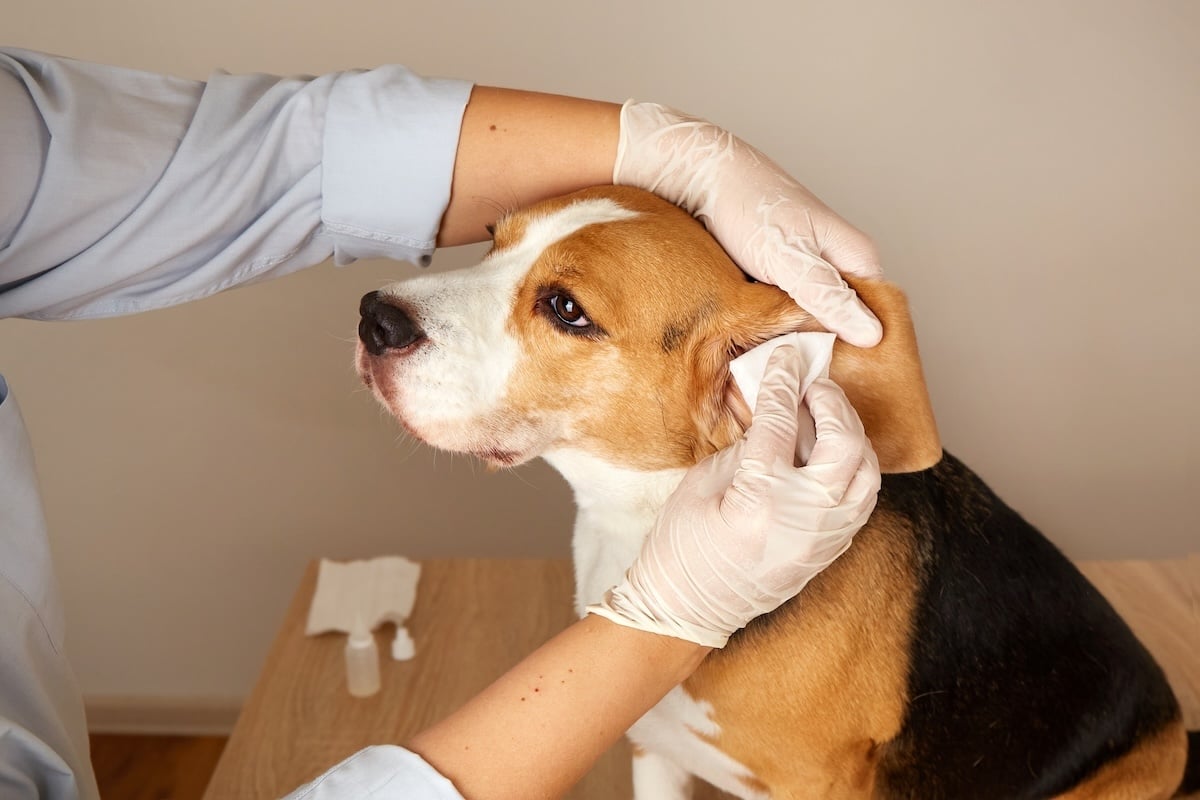
Trembling tied to cold, excitement, or a passing thunderstorm rarely needs a vet visit. Trembling paired with vomiting, diarrhea, weakness, collapse, or a known exposure to chocolate, xylitol, or another toxic substance needs same-day care. Your Scout veterinarian will recommend next steps with transparency and clarity, and together you'll land on the right plan for your dog.
Scout Pet Urgent Care offers walk-in and same-day appointments across Chicago, including several convenient neighborhoods:
Book a Same-Day Visit For Your Dog at Scout Pet Urgent Care
If your dog's trembling doesn't add up to cold, excitement, or a storm outside, trust that instinct instead of waiting it out. Book a same-day visit or walk into your nearest Scout Pet Urgent Care location and get a clear answer today.
Frequently Asked Questions
Is it normal for small dogs to shiver a lot?
Yes, especially toy breeds and puppies in cold weather or when excited. It becomes worth a closer look if the shivering happens indoors at a comfortable temperature with no clear trigger.
Can anxiety alone cause a dog to tremble?
Absolutely. Fear, stress, and separation anxiety are some of the most common causes of trembling, particularly around loud noises like fireworks or thunderstorms.
What poisons cause tremors in dogs?
Chocolate and xylitol are the two most common culprits, but many household chemicals and certain plants can cause the same reaction. When in doubt about something your dog may have eaten, call right away instead of waiting for more symptoms.
Should I worry if my senior dog shakes when standing up?
It's often arthritis, especially if it improves after your dog gets moving. Persistent trembling, limping, or reluctance to move warrants a vet visit to rule out a more serious medical condition.
How can I tell if my dog is having a seizure or just shivering?
Seizures usually involve a loss of body control, sometimes with collapse, drooling, or confusion afterward. Ordinary shivering doesn't come with those symptoms and stops once the dog calms down or warms up.