Why Does My Cat Keep Sneezing? Common Causes for Chicago Cats

Scout Pet Urgent Care
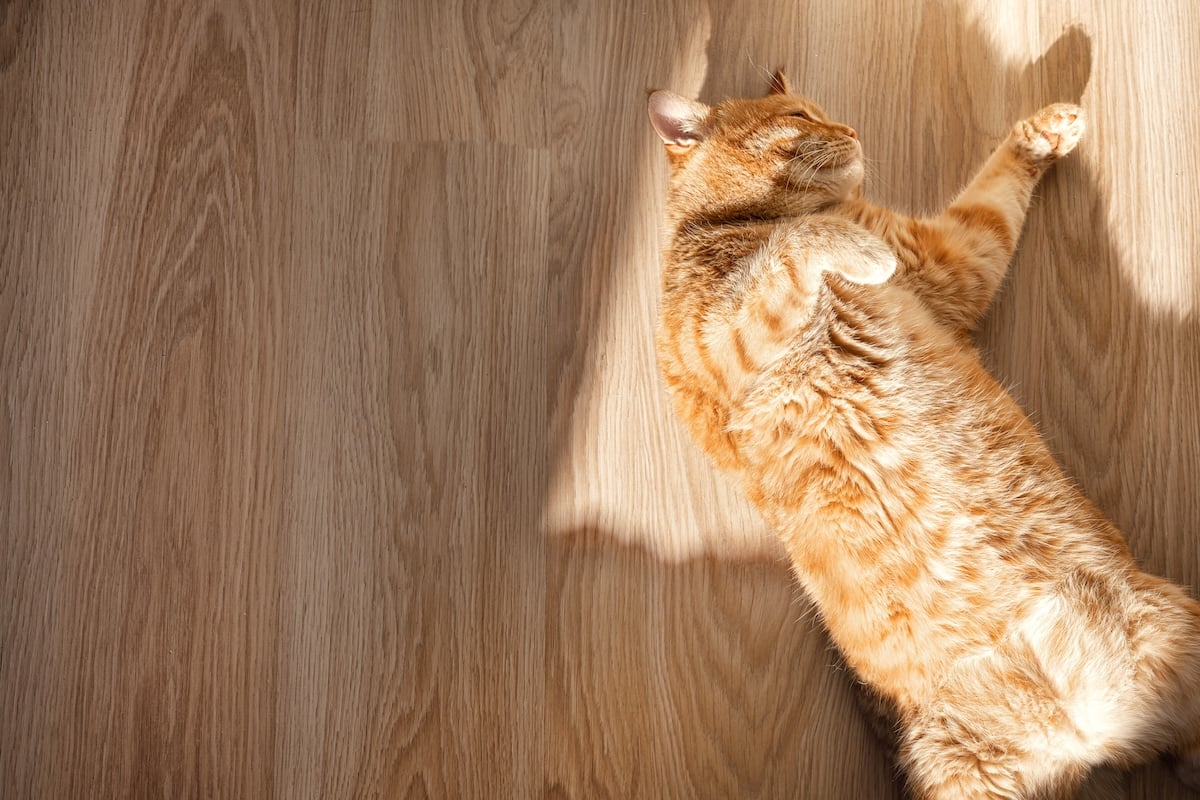
Your cat sneezes once, shakes it off, and goes back to napping in a sunny window. Fine. But when the sneezing turns into fits, several times an hour, day after day, it's normal to start Googling “why does my cat keep sneezing” at eleven at night. Most of the time it's nothing serious. Sometimes it's a sign your cat needs a visit to Scout Pet Urgent Care.
What Causes Cat Sneezing?
A sneeze is just your cat's nasal passages clearing out something that shouldn't be there. The list of things that qualify is long.
Everyday Dust, Scents, and Smoke
Irritants top the list. Dust, mold, and strong scents like perfumes, air fresheners, scented candles, cleaning sprays, and other cleaning products can all trigger a sneeze or two. Cigarette smoke does the same. None of these are dangerous in a single exposure, but a cat sneezing every time you light a candle is telling you something.
Pollen and Seasonal Allergies
Allergens work a little differently. Chicago's pollen seasons, tree pollen in spring, grass in early summer, ragweed from late summer into fall, can set off allergies in cats just like they do in people, though it's less common in cats than dogs.
Something Stuck in the Nose
Foreign objects cause sneezing too, and they're more common than you'd expect. A cat that sniffs a houseplant a little too closely can end up with a blade of grass or a seed lodged in their sinuses, which triggers relentless sneezing until it's removed.
Common Colds and URIs
Infections are the biggest category. Feline herpesvirus and calicivirus cause the majority of upper respiratory infections in cats, often shortened to URIs. Bacteria can move in on top of a viral infection and make things worse.
These infections spread easily in multi-cat households and among kittens, which is part of why vaccinations for herpesvirus and calicivirus are a standard part of feline care, even though they reduce severity more reliably than they prevent infection outright.
Hidden Tooth Problems
Dental disease is a less obvious cause, but a real one. A cat's upper teeth sit close to the sinuses, and dental problems there can trigger chronic sneezing along with bad breath and drooling.
Rare Structural Issues or Tumors
Less commonly, tumors in the nasal passages can cause persistent sneezing, usually in older cats, and usually alongside other signs like one-sided nasal discharge that doesn't resolve.
When Is Sneezing Just Dust, and When Is It Something More?
An occasional sneeze after a dusty afternoon of cleaning is nothing to worry about. Persistent sneezing, sneezing fits that happen several times in a row, or sneezing that comes with other symptoms is where it's worth paying closer attention.
Allergy or Infection? A Quick Way to Tell
A good rule of thumb: allergy-driven sneezing usually comes with clear watery eyes and clear nasal discharge, no fever, and a cat who otherwise acts completely normal. Infection-driven sneezing tends to bring thicker discharge, lethargy, and a drop in appetite, since the immune system is working overtime.
Signs Your Cat's Sneezing Might Be a URI
- Nasal discharge: Clear discharge often points to irritation or allergies. Thicker, yellow, or green discharge usually means infection.
- Watery eyes or eye discharge: URIs frequently affect the eyes and nose together.
- Runny nose and coughing: Both can show up alongside sneezing when an infection is more established.
- Decreased appetite: Cats rely on smell to want to eat, and a stuffy nose can mean reduced appetite or loss of appetite altogether.
- Lethargy and fever: Both point to the immune system actively fighting something off.
Kittens and cats in multi-cat households, like shared apartments, shelters, or catteries, tend to pass URIs around quickly, so if one cat starts sneezing, keep an eye on the others too.
Could Dental Disease Be Behind the Sneezing?
If your cat's sneezing comes with bad breath, drooling, or pawing at the face, dental issues are worth ruling out. Infection or inflammation around the upper teeth can irritate the sinuses just above them, and the sneezing won't fully resolve until the dental problem does.
When to Bring Your Cat in for Veterinary Care
Most sneezing resolves on its own or with basic supportive care. Bring your cat in if you notice:
- Sneezing fits lasting more than a few days
- Nasal discharge that's thick, colored, or bloody
- Difficulty breathing or wheezing
- Persistent sneezing alongside decreased appetite or lethargy
- Any signs of illness that seem to be getting worse rather than better
At the visit, a vet will typically start with a physical exam, checking the nose, mouth, and upper teeth. From there, depending on what's suspected, they might recommend bloodwork, x-rays, or other imaging to look for foreign objects, dental problems, or in rare cases, tumors. If a bacterial infection is likely, antibiotics may be part of treatment.
How Can You Reduce Sneezing Triggers at Home?
- Cut back on strong scents: Skip air fresheners, scented candles, and perfumes near your cat's favorite spots.
- Watch the cleaning products: Cleaning sprays and other chemical cleaners can linger in the air longer than you'd think.
- Keep smoke away: Cigarette smoke is a common, avoidable irritant for cats with sensitive respiratory tracts.
- Manage dust and mold: Regular vacuuming and a clean HVAC filter go a long way, especially in older Chicago apartments and buildings.
Book a Same-Day Appointment with Scout Pet Urgent Care Today
If your cat's sneezing has turned into a daily event, or you're noticing nasal discharge, watery eyes, or a cat who's gone off their food, Scout Pet Urgent Care can help sort out what's going on. Book a same-day visit online and we'll get to the bottom of it.
Frequently Asked Questions
Is cat sneezing contagious to other cats?
If it's caused by feline herpesvirus or calicivirus, yes. These viruses spread through direct contact and shared bowls or litter boxes, which is why multi-cat households often see sneezing move from one cat to the next.
How long does a cat URI last?
Most uncomplicated URIs clear up within seven to ten days with rest and supportive care. Sneezing that drags on longer, or gets worse instead of better, is worth a vet visit.
Should I worry about a single sneeze?
Not usually. A cat sneezes once in a while for the same reasons people do, dust, a tickle, a passing irritant. Repeated fits or sneezing paired with other symptoms is the real signal.
Can indoor cats still get allergies?
Yes. Indoor allergens like dust, mold, and cleaning products cause plenty of sneezing without a cat ever going outside.
Do kittens sneeze more than adult cats?
Often, yes, mostly because their immune systems are still developing and URIs move quickly through kittens who haven't been fully vaccinated yet.